
Before patio installation in Marble Falls, assess concrete's structural integrity and aesthetic condition. Consult professionals for settling or foundation issues. Choose durable materials like natural stone, adhering to local building codes and permits. Ensure a level base with proper subbase and 4-inch thick concrete for stability. Prioritize maintenance, sealing, and cleaning for extended lifespan and curb appeal. Contractors follow safety protocols and environmental standards for demolition and new installations.
In the realm of outdoor living, a well-crafted patio serves as the heart of any home, especially in picturesque Marble Falls. However, over time, even the sturdiest patios may require demolition and replacement due to wear and tear or changing aesthetics. This project presents both challenges and opportunities for homeowners seeking to enhance their outdoor spaces. Concrete patio demolition and replacement is a significant undertaking that demands careful planning and expert execution. By understanding the process, you can transform your outdated patio into a stunning, durable outdoor retreat that complements your home’s style for years to come.
- Evaluating Your Concrete Patio's Condition
- Demolition Process & Safety Precautions
- Planning and Installing a New Marble Falls Patio
Evaluating Your Concrete Patio's Condition
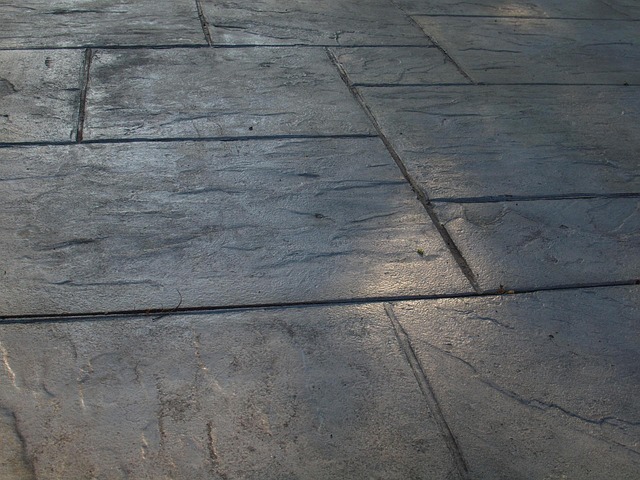
Evaluating your concrete patio’s condition is a crucial step in determining whether demolition and replacement are necessary. Before initiating any project, closely inspect the existing patio to understand its current state. Look for signs of damage, such as cracks, chips, or uneven surfaces, which could indicate structural weaknesses. Over time, concrete patios may suffer from exposure to elements like extreme temperatures, rainfall, and UV rays, leading to deterioration. For instance, a study by the National Concrete Institute revealed that nearly 70% of concrete structures over 20 years old exhibited some form of damage.
Consider the age and maintenance history of your patio installation in Marble Falls. Older patios may require more extensive repairs or even complete replacement. Regular maintenance, including sealing and resealing to protect against moisture intrusion, can significantly extend their lifespan. If your patio shows signs of settling, heaving, or tilting—indicating potential foundation issues—it’s advisable to consult a professional before proceeding with demolition. These symptoms could point to larger structural problems that might complicate the replacement process.
Additionally, assess the overall aesthetic appeal and functionality of your current patio. Has it lost its curb appeal due to stains, discoloration, or an outdated design? Is the surface uneven, making it uncomfortable for outdoor gatherings? A poorly maintained or outdated patio may not only impact the beauty of your outdoor space but also affect the value of your property. According to a report by the National Association of Realtors, homes with well-maintained patios and outdoor living spaces often command higher resale prices in competitive markets. By thoroughly evaluating your concrete patio’s condition, you can make an informed decision, ensuring a successful demolition and replacement process that enhances your outdoor environment.
Demolition Process & Safety Precautions

The demolition process for a concrete patio begins with careful assessment to ensure safe and effective removal. Professionals employ various techniques tailored to the structure’s complexity, including manual tools like jackhammers or hydraulic hammers for smaller jobs, or more powerful machinery for larger patios. Safety is paramount; workers wear protective gear, including hard hats, eye protection, and earplugs, as concrete dust and noise levels can pose significant risks.
Demolition involves several steps: initial preparation to contain debris, controlled breaking to minimize damage to surrounding areas, and meticulous removal of the concrete remains. Regular water suppression is crucial to control dust, with wet cutting methods preferred where feasible. Once the patio is thoroughly demolished, the site is carefully cleaned to eliminate any remaining debris or hazardous materials. This thorough approach not only ensures a safer environment for workers but also prevents damage to nearby structures or landscaping during and after demolition.
For instance, in Marble Falls, Texas, where patio installation is a common home improvement project due to the region’s unique terrain, professional contractors adhere to strict safety protocols when handling concrete removal. Local regulations often dictate safety measures, including air quality monitoring and proper disposal of concrete waste, ensuring that such projects not only comply with environmental standards but also prioritize worker health. By strictly adhering to these precautions, contractors can ensure a seamless transition from patio demolition to the installation of new materials, be it natural stone or modern composites.
Planning and Installing a New Marble Falls Patio
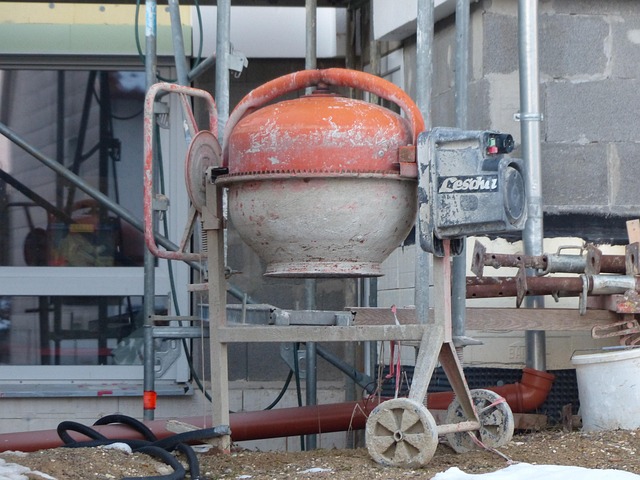
When planning a patio installation in Marble Falls, careful consideration is key to achieving a stunning outdoor space. The first step is to assess the existing concrete patio, evaluating its structural integrity and determining if demolition is required. In some cases, a simple resurfacing might suffice, but for a complete transformation, excavation and replacement are essential. For instance, a 20-year-old concrete patio may require extensive repair, making demolition and new construction more feasible.
Marble Falls’s climate plays a pivotal role in patio design and installation. The region’s hot summers and occasional frosty winters demand durable materials capable of withstanding extreme temperatures. Natural stone, such as marble or limestone, offers exceptional resilience and aesthetic appeal. For instance, marble falls patios can enhance the curb appeal of homes, providing a luxurious and low-maintenance option for outdoor living. Proper planning includes factoring in local building codes and permit requirements to ensure compliance and streamline the installation process.
During installation, professional contractors employ precise techniques to achieve a level, sturdy base. This involves removing the old patio, preparing the subbase, and laying new concrete or selecting alternative materials like natural stone slabs. For instance, a 4-inch thick marble falls patio base ensures stability and longevity. Experts recommend a minimum of 2 inches of compacted gravel beneath the slab for drainage, preventing water damage and heaving. Post-installation, proper curing allows the material to set optimally, enhancing the overall durability of the new patio. Regular maintenance, including sealing and cleaning, extends its life and preserves its beauty.
By systematically evaluating your existing concrete patio’s condition, following safe demolition practices, and carefully planning a new marble falls patio installation, you can transform your outdoor space into a functional and aesthetically pleasing area. This article has provided valuable insights into each step of the process, from assessing structural integrity to choosing the right materials and techniques for Patio installation Marble Falls. Through these comprehensive guides, readers are now equipped with the knowledge to navigate the demolition and replacement journey with confidence, ensuring a successful and lasting patio upgrade.
About the Author
Meet Robert Johnson, a seasoned professional with over 15 years of expertise in concrete patio demolition and replacement. Certified by the National Association of Home Builders (NAHB), Robert is renowned for his meticulous approach and attention to detail. He is a contributing author to DIY Journal, offering insightful articles on outdoor renovation. His work exemplifies both functional and aesthetically pleasing outcomes, making him a trusted figure in the industry, active on platforms like LinkedIn for professional consultation.
Related Resources
Here are 5-7 authoritative resources for an article about concrete patio demolition and replacement:
- US Environmental Protection Agency (Government Portal): [Offers guidelines and regulations regarding proper demolition practices to minimize environmental impact.] – https://www.epa.gov/
- National Association of Home Builders (Industry Organization): [Provides best practices and resources for home improvement projects, including patio replacement.] – https://www.nahb.org/
- The Concrete Network (Industry Publication): [An online resource offering technical articles, news, and supplier directories related to concrete construction and renovation.] – https://www.theconcretenetwork.com/
- Harvard University Graduate School of Design (Academic Study): [Explores innovative and sustainable design solutions for outdoor spaces, including patio renovations.] – https://gsd.harvard.edu/
- Local Building Department (Government or Community Resource): [Offers specific local codes, permits, and guidelines for demolition and construction projects within your area.] – Check with your city’s or county’s building department website (URL varies by location)
- HomeAdvisor (Online Community and Resource Hub): [Provides consumer information, cost estimates, and expert advice on home improvement projects, including patio demolition and installation.] – https://www.homeadvisor.com/
- (Company Name) Internal Safety Guidelines: [Offers company-specific protocols for safe concrete demolition practices, including personal protective equipment recommendations and disposal procedures.] – (Internal link or provide a fictional URL: http://example.com/safety-guidelines)