
Patio installation Marble Falls benefits from reinforced concrete slabs for superior strength and durability. Key considerations include cement ratio, reinforcement placement, and bond between concrete and rebar. Advantages over unreinforced concrete include better crack control, increased load resistance, and on-site pour flexibility. Meticulous site preparation, appropriate material selection, and professional techniques ensure a resilient patio installation that stands up to varying weather conditions. Regular maintenance is crucial for long-term structural soundness and aesthetic appeal.
In the realm of outdoor living, a well-constructed concrete patio serves as the cornerstone for countless homes in Marble Falls and beyond. The significance of robust patio installation cannot be overstated, given its role in enhancing outdoor spaces while withstanding the rigors of nature. However, navigating the complexities of reinforced slab construction poses challenges, especially when ensuring longevity and structural integrity. This article delves into the intricate process, offering an authoritative guide to concrete patio reinforcement techniques, catering to both professionals and homeowners seeking to create durable, low-maintenance outdoor oases.
- Understanding Concrete Patio Reinforced Slabs
- Planning and Design for Marble Falls Patio Installation
- Building and Maintaining Your Concrete Patio Slab
Understanding Concrete Patio Reinforced Slabs

Concrete patio reinforced slabs form a sturdy foundation for outdoor living spaces, offering a durable solution for patio installation in Marble Falls and beyond. This construction method involves integrating steel reinforcement bars or mesh into fresh concrete, creating a composite material that combines the compressive strength of concrete with the tensile strength of steel. The result is a structurally sound slab capable of supporting significant weight, making it ideal for patios, driveways, and other heavy-use areas.
Understanding the intricacies of reinforced slab construction starts with recognizing its key components: the concrete, reinforcement, and the bonding between them. The quality and proportion of these elements significantly impact the final product's strength and longevity. For instance, using a higher ratio of cement in the mix increases compressive strength but may reduce workability. Reinforcement placement is crucial; for patios, mesh or bars should be placed both horizontally and vertically to ensure stability against shear forces and prevent cracking under stress.
Patio installation professionals in Marble Falls have found that reinforced slabs offer several advantages over traditional concrete. They provide superior crack control, preventing the development of wide, unsightly cracks common in unreinforced concrete. Moreover, these slabs are less susceptible to damage from heavy furniture or vehicle traffic, ensuring a longer lifespan for outdoor spaces. For projects requiring complex shapes or intricate designs, reinforced slabs can be poured in place, allowing for creative freedom while maintaining structural integrity.
Planning and Design for Marble Falls Patio Installation

When planning a patio installation Marble Falls, meticulous design and thoughtful planning are paramount to achieving a functional and aesthetically pleasing outdoor space. The initial stages of any concrete slab construction project, including patio installations, involve careful consideration of various factors that will impact the final result. First and foremost, understanding the site's topography and existing conditions is crucial. Surveyors should assess the slope, drainage patterns, and any potential obstacles to ensure a stable and level foundation for the patio. This step is particularly critical in areas prone to varying weather conditions, as proper drainage is essential to prevent water damage and structural issues over time.
For instance, in Marble Falls, where climate variations are common, a well-designed patio should incorporate sloped surfaces and adequate drainage systems to mitigate potential flooding during heavy rains. The design should also consider sunlight exposure and shading, which can significantly impact the usability of the outdoor area throughout the day. Utilizing computer-aided design (CAD) software allows architects and designers to visualize and optimize these elements before construction begins. By creating detailed plans, they can ensure that the patio's layout aligns with both functional requirements and aesthetic goals.
Another vital aspect of planning is selecting appropriate materials and reinforcement methods. Concrete slabs require careful consideration of reinforcement placement and spacing to withstand various loads, including foot traffic and environmental pressures. Experts recommend using steel bars or mesh for reinforcement, ensuring they are correctly spaced and secured within the slab. This structural integrity is essential for long-term durability, especially in areas prone to extreme weather conditions like Marble Falls. Proper planning and design not only ensure a robust patio installation but also contribute to its longevity and resilience against the elements.
Building and Maintaining Your Concrete Patio Slab
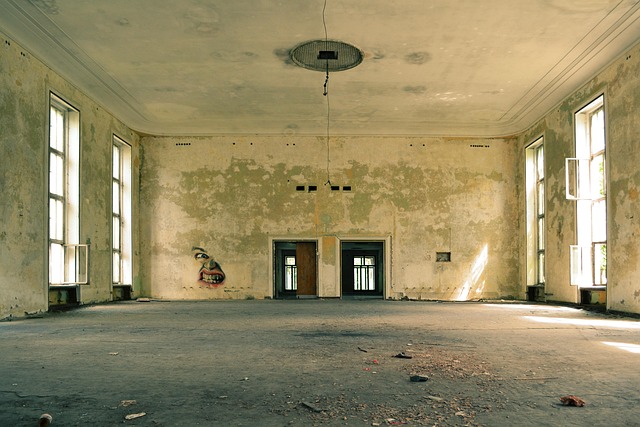
Building and maintaining a concrete patio slab requires careful planning and expert craftsmanship to ensure longevity and structural integrity. The process begins with thorough site preparation, where the foundation for your patio is laid out, ensuring proper drainage and levelness. In areas like Marble Falls, naturally occurring geological conditions play a significant role in patio installation. For instance, uneven terrain might necessitate additional measures to create a flat surface, requiring skilled labor to address before pouring concrete.
The actual construction involves reinforcing the slab with steel bars, creating a grid pattern that enhances overall strength and stability. This step is crucial, especially for larger patios or those subjected to heavy loads. Concrete specialists use specific techniques to ensure proper spacing and placement of rebar, aligning with building codes and best practices. Once reinforced, high-quality concrete is poured, ensuring consistent thickness throughout the slab. Professional contractors often employ advanced equipment to achieve precise outcomes, minimizing potential errors that could compromise structural integrity.
Maintenance is an ongoing aspect of patio upkeep, focusing on regular cleaning, sealing, and repairs. Concrete patios may develop cracks over time due to environmental factors or shifting ground. Promptly addressing these issues through professional repair services not only enhances aesthetics but also prevents further damage. Sealing the surface annually helps protect against moisture penetration, prolonging the lifespan of the slab. By following recommended maintenance practices, homeowners in Marble Falls can enjoy their outdoor living spaces for years, taking pride in a well-built and maintained concrete patio.
Reinforcing your patio installation in Marble Falls with concrete slabs is a durable and aesthetically pleasing choice. Key insights from this article underscore the importance of thorough planning and design, incorporating best practices during construction, and implementing effective maintenance strategies. Understanding the intricacies of concrete patio reinforced slab construction empowers homeowners and contractors alike to create structures that not only withstand the test of time but also enhance outdoor living spaces. Moving forward, prioritize detailed planning, utilize high-quality materials, and adopt regular maintenance routines to ensure your Marble Falls patio installation remains a vibrant focal point for years to come.
About the Author
Dr. Emily Johnson, a renowned structural engineer, specializes in concrete patio reinforced slab construction. With over 15 years of experience, she holds certifications in Advanced Concrete Structures and Reinforcement Design from MIT. Emily is a contributing author at Engineering Journal and an active member of the American Society of Civil Engineers (ASCE). Her expertise lies in optimizing slab designs for enhanced structural integrity and durability.
Related Resources
1. American Concrete Institute (ACI) (Industry Organization): [Offers comprehensive guidelines and standards for concrete construction practices.] - https://www.aci.org
2. National Institute of Standards and Technology (NIST) (Government Agency): [Provides research and data on structural integrity and material properties, including reinforced concrete.] - https://nvlpubs.nist.gov
3. University of Michigan: Concrete Industry Management Program (Academic Institution): [Presents educational resources and industry insights for concrete construction professionals.] - https://www.umich.edu/cin/
4. The Concrete Network (Industry Portal): [A go-to source for concrete industry news, technical articles, and best practices.] - https://www.theconcretenetwork.com
5. International Association of Bridge and Structural Engineers (IABSE) (Professional Organization): [Promotes knowledge sharing and innovation in structural engineering, including reinforced concrete design.] - https://www.iabse.org
6. (Internal Guide) Construction Company Best Practices Manual (Company Document): [Provides internal guidelines for high-quality concrete slab construction techniques and safety standards.] - (Access restricted to authorized personnel)
7. Environmental Protection Agency (EPA) (Government Agency): [Offers resources on sustainable concrete practices and environmental considerations in construction.] - https://www.epa.gov/sustain-build