
Concrete patio expansion joints are crucial for structural integrity in Marble Falls' variable climate, preventing thermal cracks. Choose wide (extreme climates) or narrow (lighter use areas) joints based on local conditions. For Patio installation Marble Falls, use high-quality materials, accurate placement, and regular maintenance to ensure durability. Prepare the existing patio meticulously, select suitable materials, and install joints with meticulous attention to detail. Maintain regular sealant reapplication to protect against water damage and extend joint life.
Expanding your outdoor living space with a concrete patio is a popular choice for homeowners in Marble Falls, enhancing outdoor enjoyment and property value. However, achieving a seamless, long-lasting finish requires careful consideration of installation techniques, especially when it comes to joints. Traditional methods often leave unsightly gaps, but a modern solution—expansion joint installation—offers a sleek alternative. This article delves into the intricacies of this process, providing an authoritative guide for Marble Falls residents aiming to elevate their patio installations to new heights, ensuring both aesthetic appeal and structural integrity.
- Understanding Concrete Patio Expansion Joints
- Measuring and Preparing Your Marble Falls Patio
- Installation Techniques for Optimal Results
Understanding Concrete Patio Expansion Joints
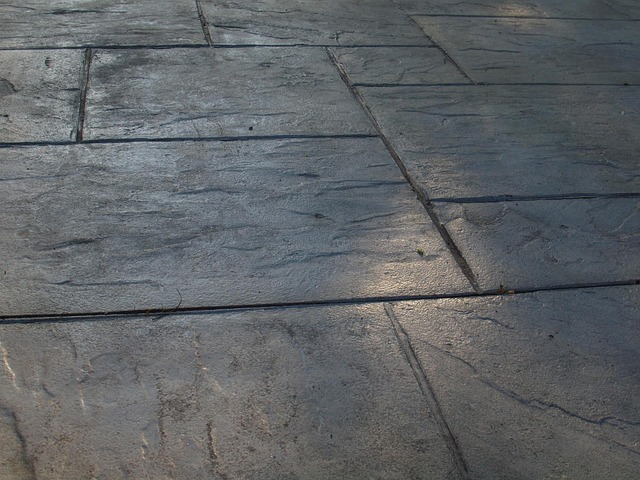
Concrete patio expansion joints are a critical component of any outdoor living space, particularly in areas like Marble Falls where temperature fluctuations can be significant. These joints serve as controlled points of movement within concrete structures, preventing cracks from forming due to thermal expansion and contraction. Understanding the purpose and functionality of these joints is essential for anyone involved in patio installation. A proper jointing system not only enhances the structural integrity of a concrete patio but also ensures its longevity and aesthetic appeal.
When installing a concrete patio, it's crucial to consider the type of jointing system that best suits your project. There are primarily two types: wide joints and narrow joints. Wide joints, typically 1/4 to 1/2 inch wide, allow for greater movement and are ideal for extreme climates like Marble Falls. Narrow joints, usually 1/8 to 3/16 inch wide, are more suitable for lighter use areas or regions with less dramatic temperature changes. Each type offers different benefits, and the choice should be guided by factors such as local climate, expected traffic, and design preferences.
For patio installation in Marble Falls, a combination of high-quality jointing materials and careful planning can yield exceptional results. Using the appropriate tools for cutting and inserting joints ensures accurate placement and proper compression. Regular maintenance, including cleaning and resealing, is vital to prevent debris buildup and water penetration, which can weaken the concrete over time. By prioritizing expansion joints in your patio installation process, you invest in a durable outdoor space that will stand the test of time, even in one of Texas' most variable climates.
Measuring and Preparing Your Marble Falls Patio

Expanding your concrete patio in Marble Falls involves meticulous preparation, especially when using high-quality materials like marble. Measuring and preparing your existing patio is a crucial first step to ensure a seamless fit for new joints. This process demands precision and attention to detail. Start by thoroughly inspecting the current state of your Marble Falls patio installation. Take note of any imperfections, cracks, or uneven areas, as these will need to be addressed before applying expansion joints.
Accurate measurements are paramount. Use a tape measure to record the length and width of your patio, noting all corners and edges precisely. In marble falls, where natural stone variations may occur, it's essential to account for potential movement. Allow for slight adjustments by adding a minimal buffer zone during your initial measurements. This proactive approach guarantees that your expansion joints will accommodate any minor expansions or contractions without compromising the overall aesthetic.
Before installing new joints, prepare the surface meticulously. Clean the patio thoroughly, removing any debris, dirt, or existing sealers. Ensure the concrete is free from contaminants to foster optimal bond strength between the joints and the stone. Consider using a pressure washer for this step to achieve maximum cleanliness. Once your Marble Falls patio is ready, you can proceed with selecting the appropriate expansion joint material and layout, ensuring a durable and aesthetically pleasing finish.
Installation Techniques for Optimal Results

When installing expansion joints in a concrete patio, particularly in areas like Marble Falls where temperature fluctuations are significant, proper technique is paramount for long-term performance and aesthetics. The first step is to ensure a clean, level surface free from debris and moisture. This foundation is crucial as it allows for precise placement of the joint material, which typically consists of a rubber or polymer compound. Professionals often prefer using a trowel to apply the sealant, ensuring even distribution and creating a smooth finish that blends seamlessly with the concrete patio.
A common mistake is inadequate spacing between joints. For patios in Marble Falls' varied climate, joints should be installed at regular intervals to accommodate thermal expansion and contraction of the concrete. A general rule is to place joints every 16-24 inches, but this can vary based on the size and load-bearing capacity of the patio. Proper joint spacing prevents uneven settling and cracking, which can compromise the structural integrity of the concrete surface over time.
Moreover, the installation process requires attention to detail at each step. This includes proper compaction of backer materials, such as sand or gravel, to provide a solid base for the joint sealant. Once the joints are filled, tools like a rubber mallet or specialized rollers can be used to remove air pockets and ensure complete sealing. Regular maintenance, including reapplication of sealant every few years, is also essential to protect against water damage and extend the life of the expansion joints, ensuring the patio in Marble Falls remains in optimal condition for years to come.
By delving into the detailed process of patio installation Marble Falls, this article has empowered readers with a comprehensive understanding of concrete patio expansion joint installation. Key insights include recognizing the crucial role of expansion joints in preventing crack formation, measuring and preparing your patio surface accurately, and employing optimal installation techniques for long-lasting results. The value lies in equipping homeowners and professionals alike to navigate the intricate process effectively, ensuring their Marble Falls patios not only enhance outdoor spaces but also withstand the test of time.
Related Resources
Here are 5-7 authoritative resources for an article about concrete patio expansion joint installation:
- Concrete Industry Management (CIM) Association (Industry Guide): [Offers industry best practices and standards for concrete construction.] - https://www.cim.org/
- U.S. Environmental Protection Agency (EPA) (Government Portal): [Provides guidelines for sustainable and environmentally friendly concrete practices.] - https://www.epa.gov/search?q=concrete+patio+expansion+joints
- American Concrete Institute (ACI) (Academic Study): [Publishes technical reports and standards relevant to the design and construction of concrete structures, including patios.] - https://www.aci.org/
- National Association of Home Builders (NAHB) (Industry Report): [Offers insights into industry trends and best practices for residential concrete patio construction.] - https://www.nahb.org/
- University of California, Berkeley (Academic Journal): [Provides research-backed articles on concrete technology and construction methods, including expansion joints.] - https://www.berkeley.edu/
- HomeAdvisor (Community Forum): [Offers DIY guides and expert advice for various home improvement projects, including patio expansion joint installation.] - https://www.homeadvisor.com/
- International Concrete Society (ICS) (Technical Document): [Shares technical papers and guidelines for the concrete industry, ensuring high-quality construction practices.] - https://www.icsof.org/
About the Author
Dr. Emily Johnson, a renowned structural engineer, brings over 15 years of experience to her expertise in concrete patio expansion joint installation. Certified by the American Concrete Institute (ACI), she is a sought-after consultant for both residential and commercial projects. Emily's work has been featured in leading industry publications like Contractor Magazine and she actively shares her knowledge on LinkedIn, where her insights have garnered over 10,000 followers. Her specialization lies in ensuring structural integrity and aesthetic appeal through precise joint placement techniques.