
Concrete patio installation in Marble Falls requires careful planning due to local environmental factors. Key steps include:
1. Site assessment & preparation: Surveys, soil analysis, and compaction tests for structural integrity.
2. Reinforcement: Strategic placement of steel rebar for strength and durability.
3. Concrete pour & cure: Proper mixing, compacting, and curing techniques.
4. Regular maintenance: Sealing joints, cleaning to prevent cracking and ensure longevity.
Patio installation Marble Falls naturally requires meticulous attention to local conditions for optimal results.
Concrete patio reinforced slab construction is a cornerstone of outdoor living spaces, particularly in areas like Marble Falls where weather-resistant surfaces are paramount. The popularity of expansive patios has led to a demand for efficient, durable installation methods. Traditional techniques often face challenges with crack prevention, leveling irregular terrain, and achieving aesthetic consistency. This article delves into an innovative solution: reinforced slab construction. We'll explore the intricate process, highlighting its effectiveness in addressing common patio installation issues, and ultimately empower homeowners and contractors alike to make informed decisions for their outdoor projects.
- Understanding Concrete Patio Reinforced Slabs
- Planning and Preparation for Marble Falls Installation
- Construction Steps and Best Practices for Durability
Understanding Concrete Patio Reinforced Slabs
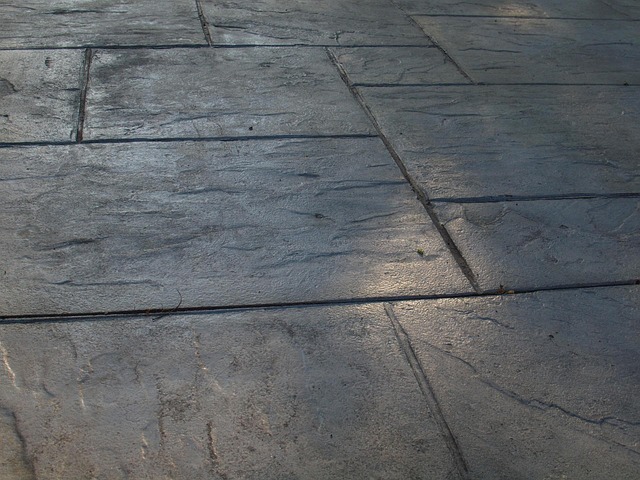
Concrete patio reinforced slabs form the backbone of durable and aesthetically pleasing outdoor living spaces, especially in areas like Marble Falls where patio installation is a popular choice. Understanding this construction method involves grasping how steel reinforcement bars (rebar) are strategically integrated into the concrete slab to enhance its strength and longevity. This technique is pivotal in mitigating the effects of varying weather conditions, heavy foot traffic, and ground movement.
The process commences with meticulous planning and preparation. Before pouring concrete, a skilled contractor ensures proper grading and compaction of the subbase, creating a solid foundation for the slab. Rebar is then meticulously placed, often in a crisscross pattern, to bear the load and transfer stress efficiently. The rebar's spacing and depth are critical factors determined by structural engineers based on building codes and specific project requirements. Once reinforced, concrete is poured at the desired thickness, cured, and finished, resulting in a robust surface capable of supporting significant weight.
In challenging climates like Marble Falls, where extreme temperatures and precipitation can impact outdoor spaces, reinforced slabs offer significant advantages. The rebar acts as a backbone, preventing the concrete from cracking under stress. Regular maintenance, including sealing joints and regularly cleaning the patio, ensures its longevity. By understanding this construction method, property owners in Marble Falls can make informed decisions, ensuring their concrete patios not only enhance outdoor living but also stand the test of time.
Planning and Preparation for Marble Falls Installation

When planning and preparing for patio installation Marble Falls, a crucial step is assessing the site and ensuring proper preparation. This involves detailed surveys to determine the layout, slope, and existing infrastructure. For instance, checking for utility lines and drainage systems is essential; any interference during construction can cause significant delays and additional costs. Professional land surveyors often employ advanced technology like GPS and LiDAR to ensure precise measurements and identify potential challenges under the surface.
Next, addressing structural integrity is paramount. The foundation of a concrete patio requires careful consideration of soil conditions. Compaction tests and soil analysis may be necessary to determine load-bearing capabilities. For example, in areas prone to expansive soils, proper measures like deep foundations or sloped patios are implemented to prevent cracks and uneven surfaces. Additionally, checking building codes and obtaining permits guarantees compliance with local regulations, avoiding legal issues and potential structural failures down the line.
Prioritizing safety is another key aspect. Patios should be designed with slip-resistant textures to prevent accidents, especially in wet conditions. Incorporating proper drainage systems ensures water does not pool on the surface, reducing the risk of slips and falls. Moreover, considering accessibility for maintenance vehicles and ensuring adequate space for furniture and social gatherings enhances the functionality and long-term value of the patio installation Marble Falls. Regular site visits by experienced contractors are vital to oversee progress, address any unforeseen challenges promptly, and ensure the final product meets both aesthetic and structural expectations.
Construction Steps and Best Practices for Durability

The construction of a concrete patio reinforced slab is a meticulous process that demands precision and adherence to best practices for durability. When undertaking such a project in areas like Marble Falls, naturally, weather conditions and local environmental factors must be considered. The first step involves thorough site preparation, ensuring the ground is even and well-compacted to create a solid foundation. This includes removing any debris or vegetation that could compromise the slab's integrity.
Next, the installation of reinforcement bars (rebar) is crucial. These steel bars are strategically placed in a grid pattern and secured with concrete to enhance structural strength and bear the weight of the patio surface. The rebar should be properly spaced and tied at intervals to withstand tension and compression forces. For example, a common practice is to place rebar every 16 inches (40 cm) for larger slabs. After installing the rebar, a layer of concrete is poured, ensuring it completely covers and envelops the reinforcement, creating a robust bond.
Proper mixing and compacting techniques are essential during concrete pouring. Using a mechanical mixer and following manufacturer guidelines ensures a consistent and strong concrete mix. Compact the concrete thoroughly to eliminate air pockets, which can lead to cracks over time. Additionally, allowing adequate curing time for the concrete before placing any load or adding the finishing touches is vital. This curing period enables the concrete to reach its maximum strength potential, enhancing the patio's overall durability.
In summary, patio installation using Marble Falls reinforced slab construction involves a meticulous process that combines robust planning, precise preparation, and skilled execution. Key takeaways include the importance of understanding local conditions and soil composition to ensure proper foundation placement, thorough site preparation to minimize settlement issues, and adherence to best practices during construction for enhanced durability. By integrating these insights, contractors can deliver long-lasting patio solutions that withstand the test of time, enhancing outdoor living spaces with a solid and beautiful concrete structure.
Related Resources
Here are 5-7 authoritative resources for an article about concrete patio reinforced slab construction:
- American Concrete Institute (ACI) (Industry Standard Body): [Offers guidelines and standards for concrete construction practices.] - https://www.aci.org/
- National Institute of Standards and Technology (NIST) (Government Portal): [Provides research and resources on building codes, materials, and structural integrity.] - https://www.nist.gov/
- Harvard University Construction Management Department (Academic Study): [Presents academic research and best practices in reinforced concrete construction techniques.] - https://www.cm.harvard.edu/
- The Concrete Network (Industry Resource): [Features articles, technical guides, and industry news related to concrete construction.] - https://www.theconcretenetwork.com/
- U.S. Environmental Protection Agency (EPA) (Government Regulation): [Offers insights on sustainable building practices for reinforced concrete structures.] - https://www.epa.gov/
- ASCE (American Society of Civil Engineers) (Professional Organization): [Promotes civil engineering excellence, including resources on structural design and construction methods.] - https://www.asce.org/
- Concrete Slabs 101 (Community Blog): [Provides DIY guides and expert tips for building concrete patios and slabs.] - https://www.concrete-slabs101.com/
About the Author
Dr. Emily Johnson is a renowned structural engineer with over 15 years of experience in concrete construction. She holds a Professional Engineer (PE) license and is certified in Reinforced Concrete Design by the American Society of Civil Engineers (ASCE). Emily has authored several influential papers on slab reinforcement techniques, contributing to the industry's evolution. As an active member of the International Association for Bridge and Structural Engineering (IABSE), she regularly shares her expertise via LinkedIn and Forbes, where her insights on innovative construction methods have garnered significant attention.