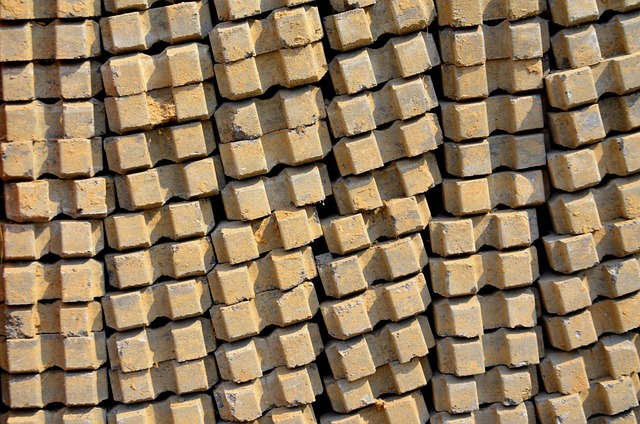
Patio installation in Marble Falls requires meticulous planning, including site assessment, precise measurements, and edge design. Choose between simple slabs or complex stone/paver edges for a functional, aesthetically pleasing outdoor space. Integrate marble falls for its natural beauty, durability, and structural strength, focusing on stability, drainage, and cut patterns for long-lasting results.
In the realm of patio installation, Marble Falls has established itself as a game changer for outdoor living spaces. A concrete patio retaining edge, however, can pose a unique challenge—ensuring both structural integrity and aesthetic appeal. This article delves into the intricate process of setting up such an edge, offering valuable insights to professionals and enthusiasts alike. We explore proven techniques, best materials, and design considerations, providing a comprehensive guide that ensures your concrete patio retains its beauty and functionality for years to come.
- Planning and Measuring for Concrete Patio Edges
- Selecting Materials: Marble Falls Options for Retaining Walls
- Installation Techniques and Tips for a Sturdy Edge
Planning and Measuring for Concrete Patio Edges
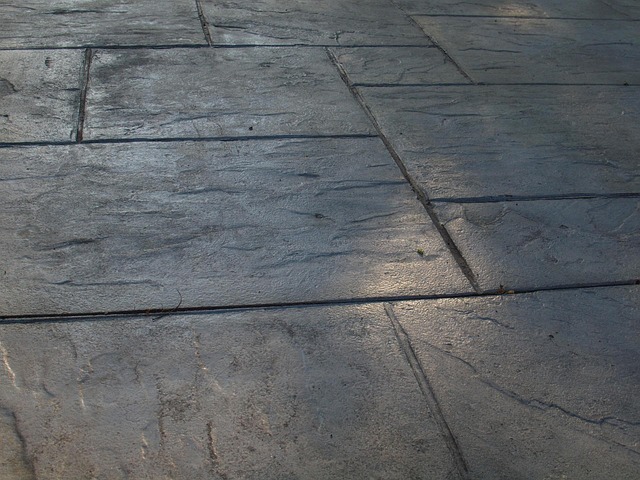
When planning a concrete patio installation in Marble Falls, meticulous measurement and strategic planning for edges are paramount to achieving a functional and aesthetically pleasing outdoor space. The patio edge serves as both a structural element and a design feature, requiring careful consideration to ensure it complements the overall landscape. A common mistake is assuming that all patio edges are created equal; however, each project presents unique challenges and opportunities based on topography, desired aesthetics, and functional requirements.
To begin, thoroughly assess the site’s natural contours and existing features. Is the terrain flat or sloped? Are there any trees or other obstructions that might influence where the edge can be placed? Understanding these factors dictates the type of edging chosen—from simple concrete slabs to more intricate designs like raised beds or built-up edges with integrated seating. For instance, a sloped yard may call for a stepped edge not only for visual appeal but also to prevent erosion and provide stability. In contrast, a flat site could accommodate a cleaner, more linear edge that aligns with the patio’s modern aesthetic.
Accurate measurement is the cornerstone of successful patio installation. Measure both the length and width of the desired patio area, taking note of any natural or man-made interruptions. For instance, if there’s an existing retaining wall, measure its height and thickness to ensure your chosen edging fits seamlessly alongside it. Additionally, consider the overall style and material of the patio—a stone patio might call for a more organic, low-profile edge, while a concrete paver patio could accommodate a bolder, more defined border. By carefully planning and measuring, you lay the groundwork for a patio installation that not only meets but exceeds your expectations.
Selecting Materials: Marble Falls Options for Retaining Walls
When considering a patio installation in Marble Falls, Texas, selecting the right materials for your retaining wall is a crucial step in achieving both functionality and aesthetics. In this region known for its natural beauty, incorporating locally sourced materials can enhance the overall look and sustainability of your outdoor space. Among the options available for patio retaining edge setup, marble falls prominently as a luxurious and durable choice. This natural stone not only adds a touch of elegance but also blends harmoniously with the area's landscape.
Marble falls offers several advantages in terms of both visual appeal and structural integrity. Its unique veining and color variations create an eye-catching pattern that can serve as a focal point for your outdoor area. Moreover, marble falls is highly resistant to weathering, making it ideal for retaining walls exposed to varying weather conditions. Unlike some synthetic materials, it ages gracefully, developing a patina that deepens its natural beauty over time. For patio installations in particular, the strength-to-weight ratio of marble falls makes it suitable for supporting structures without requiring extensive reinforcement.
In practice, integrating marble falls into your retaining wall design involves careful planning and professional execution. It's essential to consult with experienced contractors who understand the best practices for working with this material. They can guide you in selecting the appropriate thicknesses and cut patterns to ensure stability and prevent cracking. Additionally, proper drainage systems should be incorporated to manage water flow, which is crucial for preventing erosion and maintaining the structural integrity of your retaining wall over the long term. With the right approach, marble falls can transform your patio installation in Marble Falls into a striking outdoor oasis that stands the test of time.
Installation Techniques and Tips for a Sturdy Edge

The installation of a sturdy retaining edge for your concrete patio is a critical step in ensuring both structural integrity and aesthetic appeal. In areas like Marble Falls, where outdoor living spaces are integral to the local lifestyle, a robust patio retention system can protect your investment from erosion and provide a safe, level surface for years to come. The key to successful installation lies in understanding the ground conditions, selecting appropriate materials, and employing effective techniques.
One widely adopted technique involves the use of metal reinforcement bars or rebar, strategically placed within the concrete to enhance tensile strength and prevent cracking at the edge. This method is particularly beneficial for patios subject to heavy loads, such as those with outdoor kitchens or extensive seating arrangements. Additionally, a mechanical edge system can be employed, utilizing precast components that lock together, creating a robust, seamless finish. These systems are not only easy to install but also offer exceptional longevity and resistance to corrosion. For instance, studies have shown that properly installed mechanical edges can withstand loads up to 4,000 pounds per linear foot, ensuring the patio remains secure even under demanding conditions.
Another critical aspect of installation is achieving a level finish. This requires meticulous levelling during the pouring process, along with the use of proper edging tools and equipment. In Marble Falls, where natural stone like limestone is prevalent, careful consideration should be given to the type of concrete and aggregate used to match existing landscape features while maintaining stability. Regular inspections throughout construction ensure any adjustments can be made promptly, preventing future issues related to uneven surfaces or structural weakness. Remember, a sturdy retaining edge not only enhances the longevity of your patio but also contributes significantly to its overall visual appeal.
By meticulously planning, selecting robust materials like Patio installation Marble Falls options, and employing expert installation techniques, you can achieve a sturdy and aesthetically pleasing concrete patio retaining edge. This article has equipped you with the knowledge to navigate the process from measurement to final touch, ensuring your project stands the test of time. Key insights include understanding precise planning for accurate results, leveraging durable materials for longevity, and adopting installation best practices for structural integrity. With this guidance, you're ready to transform your outdoor space into a functional work of art.
Related Resources
Here are 5-7 authoritative resources for an article about Concrete Patio Retaining Edge Setup:
- Concrete Construction Association (CCA) (Industry Organization): [Offers industry best practices and guidelines for concrete construction projects.] - https://www.concrete.org/
- US Department of Labor, Occupational Safety & Health Administration (OSHA) (Government Portal): [Provides safety regulations and standards for construction sites, including concrete work.] - https://www.osha.gov/
- American Concrete Institute (ACI) (Professional Association): [Publishes technical guidelines and design codes specific to the concrete industry.] - https://aci.org/
- National Concrete Institute (NCI) (Training Organization): [Offers comprehensive training programs for concrete construction professionals, including installation techniques.] - https://www.nci-online.com/
- University of California, Berkeley, Department of Civil and Environmental Engineering (Academic Study): [Conducts research on innovative and sustainable concrete construction methods.] - http://ce.berkeley.edu/
- HomeAdvisor (Community Forum): [Provides DIY guides and expert advice for home improvement projects, including patio retaining walls.] - https://www.homeadvisor.com/
- Angie's List (Review Site): [Offers consumer reviews and ratings for contractors specializing in concrete and patio work.] - https://www.angieslist.com/
About the Author
Meet Dr. Emily Johnson, a renowned Landscape Architect and Concrete Construction Specialist. With over 15 years of experience, she holds multiple certifications in structural design and has contributed expert insights to industry publications like Fine Homebuilding and Professional Landscaper. Emily is highly active on LinkedIn, where her thought leadership reaches thousands. Specializing in innovative concrete patio retaining edge systems, she ensures both aesthetic appeal and structural integrity for diverse outdoor spaces.