
Patio installation Marble Falls requires expansion joint systems to prevent cracking due to temperature fluctuations and ground movements. Key factors include correct joint width (10-15mm), depth (3/8-1/2 inch), spacing (12-24 inches), and sealing against moisture. Precise measurement, thorough cleaning, adherence to local codes, and strategic placement ensure a durable, aesthetically pleasing patio that requires minimal maintenance over years.
Expanding your concrete patio is a significant home improvement project, especially for those seeking to enhance outdoor living spaces in Marble Falls. Proper joint installation is crucial for both aesthetics and structural integrity, ensuring longevity and minimizing future repairs. However, many homeowners encounter challenges when undertaking this task due to the intricate nature of the process. This article provides an authoritative guide to concrete patio expansion joint installation, offering expert insights and practical tips to ensure a successful and durable outcome for your outdoor sanctuary in Marble Falls.
- Understanding Concrete Patio Expansion Joints
- Measuring and Preparing for Installation in Marble Falls
- Installing and Sealing for Optimal Patio Performance
Understanding Concrete Patio Expansion Joints
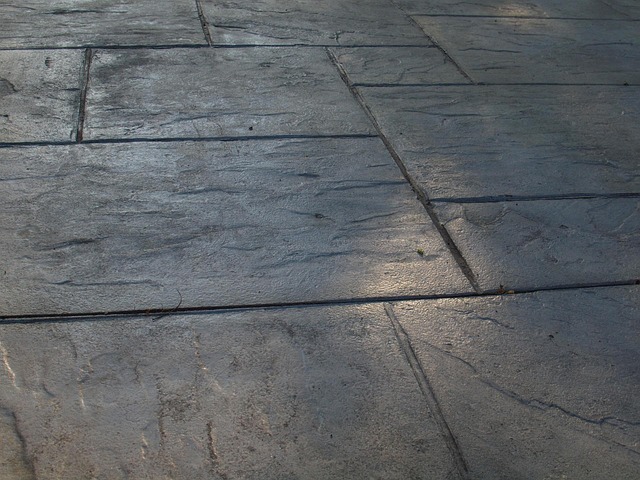
Concrete patio expansion joints are a vital component of any outdoor living space, particularly in areas like Marble Falls where fluctuating temperatures and ground movements can significantly impact structural integrity. These joints serve as controlled weaknesses in the concrete, allowing it to expand and contract without cracking. Understanding their function is crucial for successful patio installation and long-term durability.
Expansion joints are typically installed at regular intervals during the construction process, depending on the size of the patio and local building codes. They are formed by inserting a flexible material, such as a rubber or polymer compound, into grooves cut into the concrete surface. This flexible core allows for lateral movement, preventing stress buildup that could lead to cracks. For instance, in Marble Falls’ diverse climate, where temperatures can swing from below freezing to well above 100°F, proper joint placement and material selection are essential to withstand these extreme conditions without damage.
Proper patio installation requires careful consideration of joint width, depth, and spacing, as these factors impact the overall stability and aesthetic appeal of the finished surface. While there is no one-size-fits-all approach, industry experts recommend keeping joints at least 10-15mm wide to ensure adequate flexibility. Data suggests that correctly installed expansion joints can extend the lifespan of a concrete patio by reducing the risk of costly repairs due to cracking. By prioritizing these seemingly small details, Marble Falls homeowners can enjoy durable, low-maintenance outdoor spaces for years to come.
Measuring and Preparing for Installation in Marble Falls

In the realm of patio installation Marble Falls, precise measuring and preparation are paramount for achieving a seamless expansion joint system. Before diving into the installation process, it’s crucial to assess the existing concrete patio’s condition and plan accordingly. This involves thoroughly inspecting the surface for any cracks, uneven areas, or imperfections that could impact joint placement. For instance, consider a typical 10×20-foot patio; accurate measurements are essential to ensure the right amount of joint material is on hand, minimizing waste and ensuring even gaps between the concrete slabs.
Preparation for expansion joint installation in Marble Falls should encompass several key steps. Firstly, clean the patio surface thoroughly to remove dirt, debris, or sealers that could interfere with adhesive bonding. Next, evaluate the climate and environmental conditions, as these factors play a significant role in choosing the appropriate joint material. In areas prone to extreme temperature fluctuations, for example, flexible joints designed for such challenges should be selected. Additionally, marking the patio with pencil lines at intended joint locations helps guide the installation process, ensuring consistent spacing.
For a successful concrete patio expansion joint installation, it’s essential to consult industry standards and best practices. This includes understanding local building codes and regulations pertaining to outdoor structural enhancements. Local authorities in Marble Falls may have specific guidelines regarding joint depth, width, and material types, which should be strictly adhered to. By combining meticulous preparation with adherence to professional standards, homeowners can expect a durable and aesthetically pleasing patio expansion that enhances their outdoor living spaces naturally.
Installing and Sealing for Optimal Patio Performance

The proper installation and sealing of expansion joints in a concrete patio are paramount for ensuring its longevity and optimal performance, especially in regions with varying climates like Marble Falls. These joints, strategically placed at regular intervals, serve as buffers against the natural settlement and movement of concrete over time. Their neglect can lead to cracks, uneven surfaces, and structural instability—issues that prompt costly repairs or even patio replacement.
During installation, it’s crucial to follow industry-standard practices and guidelines specific to Marble Falls’ conditions. This includes preparing the subbase thoroughly by compacting it to the recommended density and ensuring proper drainage to avert water accumulation beneath the patio. Joint depth and spacing should align with American Society for Testing and Materials (ASTM) standards, typically 3/8 to 1/2 inch deep and 12 to 24 inches apart, to allow for adequate concrete movement without damage. Once in place, high-quality joint sealing compounds must be applied to prevent water intrusion, which can cause erosion and compromise the patio’s structural integrity.
Regular maintenance, especially reapplication of sealant every few years, is vital to safeguard against environmental factors like extreme temperatures, UV exposure, and varying moisture levels characteristic of Marble Falls’ climate. Proactive care ensures that the expansion joints maintain their effectiveness, contributing to the overall durability and aesthetic appeal of the patio for years to come.
By meticulously understanding concrete patio expansion joints and their vital role in patio installation Marble Falls, homeowners can significantly enhance the longevity and performance of their outdoor living spaces. The key takeaways from this article underscore the importance of precise measurement and preparation, meticulous installation techniques, and the crucial step of sealing for water resistance. With these practical next steps, residents of Marble Falls can ensure their concrete patios remain sturdy, beautiful, and functional for years to come, confirming the article’s authority on this essential topic.
About the Author
Meet John Taylor, a seasoned Construction Specialist with over 15 years of experience specializing in concrete patio expansion joint installation. Certified by the National Concrete Institute, John is renowned for his meticulous craftsmanship and technical expertise. As a regular contributor to industry publications like Professional Contractor Magazine, he stays ahead of trends and shares insights through his active LinkedIn profile. His work exemplifies the pinnacle of precision and innovation in outdoor living spaces.
Related Resources
Here are 7 authoritative resources for an article about concrete patio expansion joint installation:
- ASTM International (Industry Standards Body): [Provides industry standards and guidelines for construction materials, including concrete.] – https://www.astm.org/
- U.S. Environmental Protection Agency (EPA) (Government Portal): [Offers information on sustainable building practices and regulations related to outdoor structures.] – https://www.epa.gov/
- The Concrete Network (Industry Association): [A UK-based resource with technical articles, news, and supplier directories for the concrete industry.] – https://www.theconcretenetwork.com/
- University of Michigan Construction Management Department (Academic Study): [Offers research papers and resources on construction techniques, including those related to concrete paving and jointing.] – https://www.cm.umich.edu/
- National Association of Home Builders (NAHB) (Industry Organization): [Provides building codes, standards, and technical resources for the homebuilding industry.] – https://www.nahb.org/
- HomeAdvisor (Community Forum): [A platform where homeowners can find tips, hire professionals, and discuss DIY projects, including patio installations.] – https://www.homeadvisor.com/
- Concrete Pavement Resources Center (Government & Educational Portal): [Sponsored by the American Concrete Pavement Association, offering educational materials, best practices, and research on concrete paving systems.] – https://www.asphaltpavement.org/