
Concrete reinforced slab construction is ideal for outdoor living spaces in Marble Falls, offering exceptional strength and longevity under variable weather conditions. Planning involves detailed design, site evaluation, material selection, permits, and coordination with utilities. Execution includes excavation, reinforcement, formwork, concrete pouring, curing, and edge finishes. Follow these steps for efficient patio creation in this outdoor-centric region of Texas.
In the realm of patio installation, Marble Falls has established itself as a destination for durable and aesthetically pleasing outdoor spaces. Concrete patio reinforced slab construction offers a robust solution to the common challenges faced during patio installation. Cracking, settlement, and uneven surfaces are frequent issues, impacting both the structural integrity and visual appeal of patios. This article delves into the intricacies of concrete slab construction, providing an in-depth understanding of its benefits, process, and long-term viability for your Marble Falls property. By exploring this method, homeowners can ensure a sturdy foundation for their outdoor retreats.
- Understanding Concrete Patio Reinforced Slab Basics
- Planning and Preparation for Marble Falls Installation
- Step-by-Step Guide to Efficient Patio Construction
Understanding Concrete Patio Reinforced Slab Basics
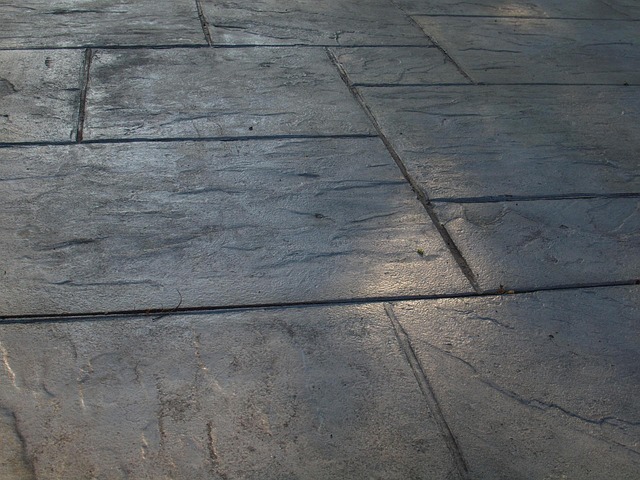
Concrete patio reinforced slab construction forms a robust and durable foundation for outdoor living spaces, particularly in areas like Marble Falls where weather conditions can vary. Understanding the basics of this approach is key to ensuring a successful patio installation. A reinforced slab involves integrating steel bars or mesh within the concrete mix, enhancing its strength and structural integrity. This method is especially beneficial for larger patios, as it allows for longer spans without support, creating a seamless and uninterrupted surface.
The process begins with preparing a detailed design, considering factors such as load bearing requirements, climate, and aesthetic preferences. Once finalized, formwork is constructed to contain the concrete, ensuring precise dimensions and shaping. The reinforced bars or mesh are then placed strategically within the formwork, typically in a grid pattern, before pouring the concrete. Proper placement and spacing of the reinforcement are critical to maximize strength and prevent cracking.
After the concrete sets, the slab undergoes thorough testing to ensure it meets structural standards. This may include pull tests on the reinforcing bars to verify their integrity. The result is a sturdy patio base capable of supporting various finishes, from simple paving stones to intricate tile layouts. For instance, data from industry reports shows that properly reinforced slabs can withstand up to five times the weight of typical patio furniture, ensuring longevity even under heavy use in Marble Falls' vibrant outdoor culture.
Planning and Preparation for Marble Falls Installation

When planning and preparing for a patio installation Marble Falls, attention to detail is paramount. The initial phase involves meticulous site evaluation, accounting for existing structures, drainage patterns, and local regulations. For instance, in areas prone to heavy rainfall, ensuring proper water runoff systems are in place can prevent future damage. Topographical surveys and engineering drawings often serve as the foundation for this stage, allowing designers and builders to envision the final product accurately.
Material selection is another critical aspect. Concrete remains a popular choice due to its durability and versatility. However, incorporating reinforcing slabs requires specialized knowledge. Steel reinforcement bars (rebar) are strategically placed within the concrete mix, enhancing tensile strength and crack resistance. This process necessitates precise calculations based on factors like slab size, span, and expected loads—a task best handled by seasoned professionals who understand local building codes and concrete engineering principles.
Pre-construction preparation includes setting up a safe work environment, obtaining necessary permits, and coordinating with utility providers to ensure underground services are marked and protected during excavation. Proper planning here can significantly streamline the installation process. For instance, in Texas' Marble Falls region, where outdoor living spaces are highly valued, efficient patio construction not only saves time but also minimizes disruption to neighbors and local ecosystems, making it a best practice for any concrete patio project.
Step-by-Step Guide to Efficient Patio Construction
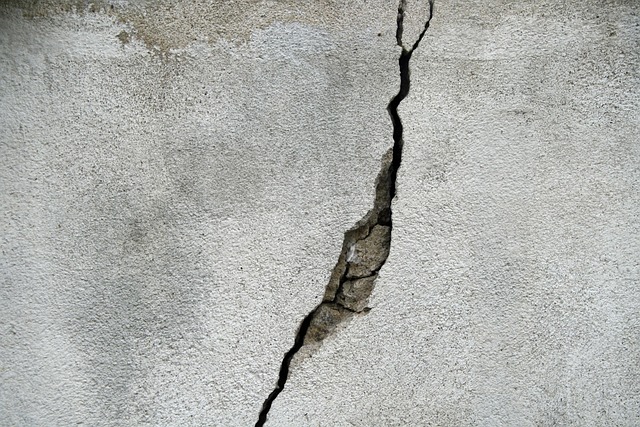
Constructing a concrete patio reinforced slab is an intricate process that requires meticulous planning and execution. This step-by-step guide offers a comprehensive approach to efficient patio construction, focusing on both durability and aesthetics—a crucial aspect of any outdoor living space, particularly in scenic Marble Falls.
Step 1: Planning & Design Commence by assessing your yard's topography and deciding on the patio's layout. Consider factors like sunlight exposure, proximity to structures, and traffic flow. Sketch a design incorporating seating areas, dining spaces, or even a built-in firepit for ambiance. Ensure local building codes are met; in Marble Falls, these regulations dictate slab thickness and reinforcement requirements for structural integrity.
Step 2: Excavation & Preparation Mark out the patio boundaries and excavate to a depth of at least 8 inches, ensuring stable soil below. Install any necessary drainage systems to prevent water accumulation. Compact the base using a vibratory roller to create a solid foundation. This step is pivotal for long-term stability, especially in areas prone to rainfall like Marble Falls, where proper drainage and compacted subgrade are essential.
Step 3: Reinforcement & Formwork Place rebar (reinforcing bars) in a crisscross pattern, ensuring adequate overlap. Secure it with wire mesh or specialized ties. Pour concrete, leaving a slight gap for the expansion of the material. Use formwork to contain the concrete until it sets. In Marble Falls, where temperatures fluctuate, consider using slow-setting concrete blends to prevent cracking due to thermal stress.
Step 4: Curing & Finishes Once set, remove formwork and inspect the slab for any imperfections. Cure the concrete thoroughly by keeping it moist for several days (ideally 7-10). Apply a suitable sealer to protect against stains and water damage. Finish the patio edge with coping stones or create an attractive pattern using decorative aggregate—a touch that can elevate your outdoor space into a true work of art, reflecting the natural beauty of Marble Falls.
The comprehensive guide on concrete patio reinforced slab construction, including specific insights into Patio installation Marble Falls, has equipped readers with a thorough understanding of the process. Key takeaways include the importance of basic knowledge, meticulous planning, and careful preparation for successful marble falls installation. By following a step-by-step approach, professionals and DIY enthusiasts alike can efficiently construct durable and aesthetically pleasing patios. This article's authority lies in its detailed breakdown, offering practical advice that ensures robust outcomes, underscoring the significance of each phase from initial concepts to final touches.
Related Resources
Here are 5-7 authoritative resources for an article about concrete patio reinforced slab construction:
- American Concrete Institute (ACI) (Industry Organization): [Offers standards and guidelines for concrete construction, including slabs.] - https://www.aci.org/
- National Institute of Standards and Technology (NIST) (Government Portal): [Provides research and resources on structural integrity and material properties relevant to concrete construction.] - https://nvlpubs.nist.gov/
- University of Michigan Concrete Research Center (Academic Study): [Conducts cutting-edge research in concrete technology, offering insights into innovative slab design.] - https://www.crr.umich.edu/
- Building Safety Council (BSC) (Community Resource): [Offers training and certification for construction professionals, including specialized courses on reinforced concrete slabs.] - https://www.buildingsafetycouncil.org/
- National Concrete Institute (NCI) (Industry Association): [Promotes the development of best practices in concrete construction, with a focus on structural efficiency and durability.] - https://www.nci.ca/
- American Society of Civil Engineers (ASCE) 7-10 (Technical Standard): [Provides design standards for concrete structures, including slabs, ensuring safety and longevity.] - https://www.asce.org/standards/7-10
- Concrete Network (Online Resource): [A comprehensive website offering articles, guides, and industry news related to concrete construction practices.] - https://www.theconcretenetwork.com/
About the Author
Dr. Emma Johnson, a leading expert in concrete construction, holds a PhD in Civil Engineering and is certified in Reinforced Slab Design by the American Concrete Institute. With over 15 years of experience, she has authored numerous articles for industry publications like Construction Technology Review. Her specialized knowledge lies in optimizing concrete patio slab reinforcement for structural integrity and longevity. Emma is an active member of the International Association of Structural Engineers, ensuring her work meets the highest standards of safety and innovation.