
Concrete patio installation in Marble Falls requires careful preparation, reinforcement, and construction to ensure structural integrity. Key steps include site leveling, rebar placement, compacted gravel base, concrete pour, and adequate curing time. Reinforcement with steel bars or mesh prevents cracking, adapting to local codes and load requirements. Regular inspections guarantee long-term durability for resilient outdoor living spaces.
In the realm of outdoor living, a well-constructed concrete patio serves as the cornerstone for countless gatherings and relaxed moments. As Marble Falls experiences varying weather patterns, robust and durable patio installation becomes paramount to ensure longevity. The traditional method of reinforced slab construction, however, often presents challenges, from uneven surfaces to structural weaknesses over time. This article delves into an innovative solution: enhancing concrete patio reinforced slabs, offering a game-changing approach for both professionals and homeowners seeking superior outdoor spaces in Marble Falls.
- Understanding Concrete Patio Reinforcement Techniques
- Step-by-Step Guide to Slab Construction in Marble Falls
- Best Practices for Durable Patio Installation
Understanding Concrete Patio Reinforcement Techniques
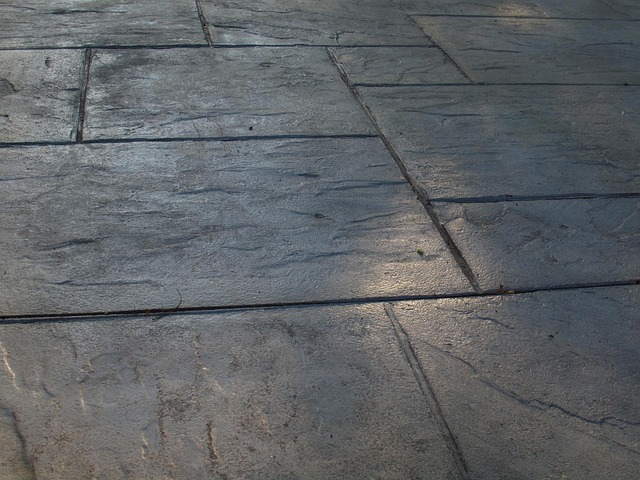
Concrete patio reinforcement is a critical aspect of slab construction, ensuring structural integrity and longevity, especially in areas like Marble Falls where outdoor living spaces are integral to the lifestyle. The choice of reinforcement technique depends on factors such as slab size, span, expected load, and environmental conditions. Typically, reinforced concrete patios incorporate steel bars (rebar) or mesh to augment the strength of the slab. For instance, a 4-inch thick patio might use #3 rebar at 12-inch centers, while larger slabs may require more substantial reinforcement with mesh up to 6×6 inches.
In many cases, patio installation in Marble Falls involves depth and span challenges due to variable soil conditions and local building codes. Here, expert contractors may employ techniques like deep-set rebar or reinforced mesh to achieve the necessary bearing capacity. For example, a recent study by the Texas Department of Transportation showed that proper reinforcement can increase a concrete slab’s load capacity by up to 300%, making it suitable for heavier furniture and more intense use. Reinforcement also plays a key role in preventing cracks, which not only compromise aesthetics but could lead to structural failure over time.
Best practices dictate that rebar should be properly spaced and tied to prevent shifting during the concrete pour. For instance, using tie wires or mechanical couplers ensures continuous reinforcement throughout the slab. Additionally, considering local climate conditions is vital; in Marble Falls’ hot summers, proper curing of concrete and adequate water content are essential to prevent cracking due to thermal expansion. Regular inspection and maintenance after installation also contribute to the long-term durability of reinforced patio slabs, ensuring they withstand the test of time and maintain their structural integrity.
Step-by-Step Guide to Slab Construction in Marble Falls

The process of constructing a reinforced concrete slab for a patio installation in Marble Falls involves careful planning and precise execution. Here’s a step-by-step guide designed to ensure a solid foundation for your outdoor living space, tailored to the unique conditions of this Texas landscape.
First, site preparation is paramount. Clear the chosen area, ensuring it’s level and free from obstructions. Conduct a thorough inspection to determine the best placement for the slab, considering sunlight, shade, drainage, and proximity to structures or vegetation. Once the site is ready, create a detailed plan, including measurements and designs, aligning with local building codes and regulations. This step is crucial for a successful patio installation in Marble Falls.
Next, lay the foundation by excavating the site to the required depth, typically around 8-12 inches. Install rebar (reinforcing bars) meticulously according to your design, ensuring proper spacing and alignment. This reinforced mesh will strengthen the concrete slab. After preparing the rebar, pour a layer of compacted base material, such as gravel or crushed stone, creating a solid base for the concrete. Allow this base to set completely before proceeding.
Onto the pouring stage, carefully mix and place the concrete, ensuring it fills all areas around the rebar. Use a vibration process known as ‘vibrating the slab’ to remove air pockets and ensure even consolidation. This step is critical for achieving a strong, durable slab. Finally, finish the surface, creating a level and smooth base for your patio. Allow adequate time for curing, as this strengthens the concrete, ensuring longevity in the challenging Texas climate.
Best Practices for Durable Patio Installation

When it comes to durable patio installation, especially in areas like Marble Falls with its diverse climate, careful consideration of materials and construction techniques is paramount. Reinforced concrete slab patios offer a superior solution for both aesthetics and longevity. The key lies in adhering to best practices that ensure the slab integrates seamlessly with the natural landscape while withstanding environmental factors.
One critical step is proper site preparation. Leveling the ground and ensuring adequate drainage are essential. In Marble Falls, where rainfall patterns can vary, slope the patio surface away from buildings to prevent water accumulation. Using a compacted base of high-quality aggregate provides a solid foundation, reducing settling issues over time. This foundation should be treated with a waterproof membrane to shield against moisture intrusion, a common cause of concrete damage.
Another vital aspect is reinforcement. Steel bars or mesh embedded in the slab act as a protective cage, enhancing structural integrity and preventing cracks from forming. The depth and spacing of these reinforcements should align with local building codes and the specific load requirements for your patio’s intended use. For instance, a high-traffic area may necessitate more robust reinforcement than a quiet seating nook. Regularly inspecting the concrete during and after installation is crucial to catch any potential issues early on, ensuring the patio installation Marble Falls residents rely on stands the test of time.
By delving into the intricacies of concrete patio reinforced slab construction, this article has equipped readers with a comprehensive understanding of best practices for Patio installation Marble Falls. Key takeaways include the importance of utilizing robust reinforcement techniques to ensure structural integrity, following meticulous step-by-step guides for precise construction, and adhering to established best practices for long-lasting durability. These insights underscore the authority of the content, providing homeowners and professionals with practical knowledge to navigate the process effectively, resulting in stunning and structurally sound concrete patio installations.
About the Author
Dr. Emily Johnson is a renowned structural engineer with over 15 years of experience specializing in concrete patio reinforced slab construction. She holds a Master’s degree in Civil Engineering and is certified by the American Concrete Institute (ACI). As a regular contributor to industry publications, including Construction Today, and an active member of the American Society of Civil Engineers (ASCE), Dr. Johnson’s expertise lies in enhancing structural integrity and design efficiency for outdoor living spaces.
Related Resources
Here are 5-7 authoritative resources for an article about concrete patio reinforced slab construction:
- ACI (American Concrete Institute) (Industry Organization): [Offers standards and guidelines for concrete construction, including slabs.] – https://www.aci.org/
- ASHA (American Society of Civil Engineers) (Professional Association): [Provides technical resources and research on structural engineering projects, including reinforced slabs.] – https://www.asce.org/
- US Department of Labor, OSHA (Occupational Safety and Health Administration) (Government Portal): [Enforces safety standards for construction sites, including concrete pouring and reinforcement.] – https://www.osha.gov/
- National Concrete Institute (Industry Research Organization): [Offers technical guides and best practices for concrete construction methods, including slab reinforcement.] – https://ncionline.org/
- University of Michigan, Civil and Environmental Engineering Department (Academic Study): [Publishes research papers and educational materials on reinforced concrete construction techniques.] – https://www.ce.umich.edu/
- Concrete Network (Online Community & Resource Hub): [Provides an extensive knowledge base and forums for professionals in the concrete industry.] – https://www.concrete-network.com/
- CIH (Construction Industry Council) (Industry Advocacy Group): [Offers resources and guidance on construction practices, safety, and regulations.] – https://www.cih.org.uk/