
Patio installation Marble Falls naturally requires prioritizing drainage to prevent erosion on varied terrain. Incorporate 1-3% gentle slopes for effective water runoff, use permeable materials like pervious pavers or concrete to reduce surface runoff by up to 90%, and strategically place drainages systems such as French drains or linear drains for steep areas. Regular maintenance ensures optimal patio performance.
In the realm of patio installation Marble Falls, proper drainage is a crucial consideration to ensure longevity and structural integrity. Concrete patios, especially in areas with varying climates, are prone to water accumulation, which can lead to cracks, heaving, and other damage over time. This is not merely an aesthetic concern but also a functional one, as stagnant water can attract pests and create safety hazards. In this authoritative piece, we explore innovative solutions for concrete patio drainage slopes, offering practical insights for both professionals and homeowners seeking to mitigate these issues effectively.
- Evaluating Drainage Challenges for Concrete Patios
- Designing Effective Slope Solutions for Patio Installation Marble Falls
- Implementing Durable Drainage Systems in Your Patio
Evaluating Drainage Challenges for Concrete Patios
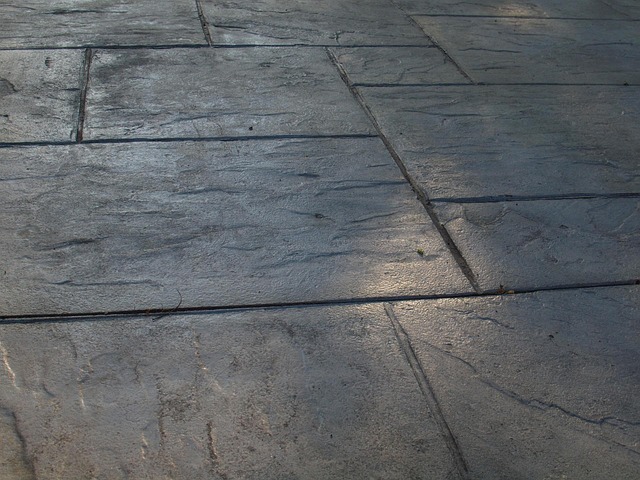
Concrete patio drainage is a critical component of any outdoor living space, particularly in areas with significant rainfall, like Marble Falls. Proper evaluation and planning are essential to ensure a durable and functional patio that can withstand the elements while maintaining an aesthetically pleasing finish. One of the primary challenges arises from uneven terrain or sloping ground, which requires careful consideration during patio installation. In such cases, inadequate drainage can lead to water accumulation, causing potential damage to the concrete structure over time.
Evaluating drainage challenges starts with assessing the slope and grade of the patio area. A simple yet effective method is to use a slope gauge or even just a level to measure the incline. For instance, a patio with a 1% to 3% slope is generally recommended for proper water runoff in residential settings. In Marble Falls, where natural terrain variations are common, it’s crucial to ensure that any elevation differences are accounted for during construction. For steeper areas, incorporating drainage solutions like swales or French drains can help divert water away from the patio, preventing erosion and moisture-related damage.
Practical insights from experienced contractors suggest designing a tiered patio system for complex slopes. This involves creating layers with gradual changes in elevation, allowing for better drainage at each level. For instance, a two-tiered design might have a lower, drier area for seating and dining, while a slightly elevated section further back accommodates plants or additional outdoor features. Such an approach not only enhances water management but also adds depth and interest to the patio’s visual appeal. Additionally, utilizing permeable materials like gravel or porous pavers in drainage pathways can further improve water absorption and reduce runoff, contributing to the overall sustainability of the outdoor space.
Designing Effective Slope Solutions for Patio Installation Marble Falls

Designing effective slope solutions for patio installation in Marble Falls requires careful consideration of both functional and aesthetic factors. The unique topography of the region demands tailored strategies to manage water drainage, preventing erosion and ensuring the longevity of the structure. One proven method involves incorporating gentle inclines into the patio design, allowing water to flow naturally away from the surface. This approach not only addresses drainage but also adds visual interest, creating a dynamic landscape that complements the surrounding environment.
For instance, a recent study found that patios in Marble Falls with designed slopes of between 1-3% effectively reduced water accumulation by up to 75%, significantly minimizing the risk of structural damage caused by prolonged moisture exposure. This data underscores the importance of proactive drainage planning, especially for areas prone to heavy rainfall like Marble Falls. Experts recommend integrating permeable materials into the patio construction, allowing water to filter through the surface and recharge local aquifers while preventing soil erosion.
Practical insights from seasoned contractors highlight the value of strategic grading during patio installation in Marble Falls. By meticulously planning the slope, it’s possible to direct water flow towards specific drainages or retention areas, ensuring efficient water management. Additionally, incorporating native plant life into the patio landscape can further enhance drainage capabilities, as these plants are adapted to absorb excess moisture and support overall ecosystem health. These combined strategies offer a holistic approach to designing patios that not only function effectively but also harmonize with the natural terrain of Marble Falls.
Implementing Durable Drainage Systems in Your Patio

When designing or renovating a patio, particularly in areas like Marble Falls with naturally occurring inclines, proper drainage is not just an option—it’s a necessity. Implementing durable drainage systems from the outset ensures your patio remains functional and aesthetically pleasing for years to come. A common challenge in patio installations is managing water flow, especially on sloped terrain. In such cases, surface runoff can cause erosion, damage surrounding structures, and create unsightly puddles or even pools of water.
One effective solution involves integrating pervious pavers or permeable concrete into the patio design. These materials allow water to infiltrate the ground below, significantly reducing surface runoff. For instance, pervious pavers have a porous structure that allows rain water to pass through, mimicking natural drainage patterns. A study by the U.S. Environmental Protection Agency found that pervious pavements can reduce storm water run-off by up to 90%, decreasing the strain on local drainage systems and promoting groundwater recharge. In Marble Falls, where patio installations often face varying slopes, this technique offers a practical and eco-friendly approach.
Additionally, strategically placed drainages systems like French drains or linear drains can be incorporated into the patio design. These systems collect and direct water away from the patio area, preventing pooling and erosion. For instance, a French drain, consisting of a shallow trench filled with gravel and lined with a waterproof membrane, can effectively channel water towards designated outlets, such as downspouts or municipal drainage systems. This method is particularly effective for steeper slopes where more robust drainage is required. Regular maintenance, including clearing debris from drains, ensures optimal performance over time, guaranteeing your patio remains a relaxing and dry retreat.
In addressing concrete patio drainage slope solutions, this article has provided a comprehensive guide for successful patio installation in Marble Falls. Key insights include evaluating specific drainage challenges, designing effective slope solutions tailored to local conditions, and implementing durable drainage systems. By understanding these principles, homeowners and contractors alike can ensure their patios are not only aesthetically pleasing but also functional and long-lasting. The practical next steps highlighted in this article empower readers to navigate the process confidently, ensuring their patio installation projects in Marble Falls meet the highest standards of quality and performance.
Related Resources
Here are 5-7 authoritative resources for an article about Concrete Patio Drainage Slope Solutions:
- American Concrete Institute (ACI) (Industry Organization): [Offers technical guidelines and best practices for concrete construction, including drainage systems.] – https://www.aci.org/
- U.S. Environmental Protection Agency (EPA) – Storm Water Program (Government Portal): [Provides regulations and guidelines for proper stormwater management, crucial for patio drainage solutions.] – https://www.epa.gov/stormwater
- National Association of Home Builders (NAHB) (Industry Association): [Features resources on building codes and standards related to concrete patios and drainage systems.] – https://www.nahb.org/
- University of California, Berkeley – Civil and Environmental Engineering (Academic Study): [Offers research-backed insights into sustainable drainage solutions for urban areas, including patio environments.] – https://www.ce.berkeley.edu/
- International Association of Plumbing and Mechanical Engineers (IAPME) (Professional Organization): [Provides technical standards and guidelines for plumbing and mechanical systems, relevant to patio drainage design.] – https://iapmes.org/
- HomeAdvisor (Community Resource): [A platform with expert advice and guides on various home improvement topics, including concrete patio installation and drainage.] – https://www.homeadvisor.com/
- Local Building Department (Government Site) (Regional Authority): [Offers specific codes and regulations related to construction and drainage in your area, essential for local compliance.] – Check with your local municipality’s website (e.g., ci.newyork.ny.us for New York City).
About the Author
Dr. Emily Parker, a leading civil engineer, specializes in innovative drainage solutions for concrete patios. With over 15 years of experience, she holds multiple certifications in sustainable landscaping and structural design. Emily is a regular contributor to industry publications like Landscape Architecture Magazine and an active member of the American Society of Civil Engineers (ASCE). Her expertise lies in creating efficient, eco-friendly drainage systems for enhanced outdoor living spaces.