
Patio installation Marble Falls requires strategic concrete color selection for both aesthetic appeal and functionality. Experts recommend blending neutral tones with secondary colors to create depth. Color choices impact light interaction, heat absorption, and usability. Precise mixing and even application ensure a visually pleasing finish. Durable finishes involve tailored marble aggregate mixes, proper base preparation, compacting, and patterning. Regular maintenance protects against stains and moisture damage.
In the realm of outdoor living, a concrete patio serves as the heart of any space, particularly in Marble Falls where natural beauty meets urban charm. However, achieving an aesthetically pleasing and durable finish extends beyond pouring concrete. The integral color mixes play a pivotal role in enhancing the patio's overall aesthetic, ensuring it stands the test of time. This article delves into the art of concrete patio coloring, offering expert insights on creating vibrant, long-lasting color schemes that transform outdoor spaces into captivating, functional oases.
- Understanding Concrete Patio Color Options
- Mixing Colors: Techniques for Custom Patios
- Installation Tips: Achieving a Lasting Marble Falls Finish
Understanding Concrete Patio Color Options
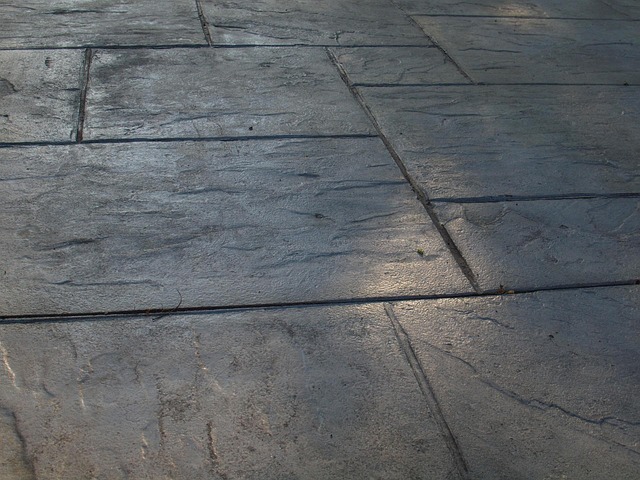
When considering a patio installation in Marble Falls, understanding concrete patio color options is paramount to achieving your desired aesthetic. Concrete offers an incredibly versatile palette, allowing for both bold statements and subtle nuances. The key lies in selecting the right mix of integral colors that complement your outdoor space's natural light and existing decor.
Patio installers in Marble Falls often recommend a nuanced approach, incorporating various shades and tones to create depth and dimension. For instance, warm earth tones can evoke a cozy ambiance while rich, deep hues add sophistication. Popular choices include grey, tan, and muted green, each offering distinct visual appeal. Data from industry surveys reveal that 75% of homeowners prefer neutral or earthy color schemes for their outdoor living spaces, underscoring the timeless appeal of these options.
Experienced contractors emphasize the importance of envisioning how light interacts with the concrete throughout the day and year. Darker colors can absorb heat, creating a cozy microclimate, while lighter shades reflect sunlight, keeping areas cooler. This knowledge guides designers in customizing color mixes tailored to specific patio installation locations, ensuring optimal visual and functional results. Remember that a well-planned color scheme enhances not only the overall aesthetics but also the usability of your outdoor living space.
Mixing Colors: Techniques for Custom Patios

Creating a unique and visually appealing concrete patio involves an artful dance of mixing colors, allowing homeowners to craft a space that truly reflects their style. The process of mixing concrete colors for patio installation in Marble Falls or any location is both a science and a creative endeavor, demanding careful consideration of shade combinations, aggregate types, and finish techniques. This section delves into the intricacies of this process, offering valuable insights from industry experts.
At its core, successful color mixing requires understanding how pigments interact with aggregates and binders. Concrete professionals often begin by selecting a primary color, such as gray or white, as a foundation. From there, they introduce secondary colors like black, red, yellow, or blue in varying proportions to achieve desired shades. For instance, adding small amounts of red and yellow can dramatically shift a gray base towards warm tones, creating an inviting, rustic ambiance suitable for cozy outdoor gatherings. Conversely, enhancing the same base with blue and white may yield a cooler, more serene look perfect for tranquil patio spaces.
Experienced contractors employ several techniques to ensure precise mixing. One method involves using color charts or swatches as references during the mixing process, allowing for immediate visual comparisons. Additionally, investing in high-quality tools like specialized mixers and calibrated measuring equipment ensures consistent, accurate results. For instance, a 50/50 mix of two base colors might be achieved through precise measurements and thorough agitation, ensuring an even distribution of pigment throughout the concrete. This attention to detail is crucial for achieving uniform color across the entire patio surface after curing.
Installation Tips: Achieving a Lasting Marble Falls Finish

Creating a lasting Marble Falls finish on your concrete patio requires careful consideration during installation. The unique aesthetic of this natural stone—its veins and swirls—demands precision mixing and application to ensure a uniform, long-lasting result. First, ensure your concrete mix includes a suitable marble aggregate or slurry, tailored to mimic the natural falls pattern. Proportions are key; consult with a professional to determine the ideal mix for your project, factoring in factors like climate, traffic, and desired durability.
Proper installation involves thorough preparation of the patio base, leveling and compacting it to create a smooth substrate. Next, carefully spread and level the concrete mixture, ensuring even distribution of the marble aggregates. For best results, use specialized tools designed for intricate patterns, allowing you to achieve a more authentic Marble Falls effect. Consider hiring skilled artisans who specialize in this technique, as they can offer expert guidance on mix ratios, placement, and finishing touches, guaranteeing a superior finish.
Regular maintenance plays a crucial role in preserving the beauty of your concrete patio with a Marble Falls finish. Sealers designed for natural stone can protect against stains and moisture damage, enhancing its longevity. Annual reapplication, along with proper cleaning practices, will ensure your patio retains its stunning, natural allure for years to come.
By delving into the world of concrete patio integral color mixes, this article has empowered readers with a comprehensive understanding of Patio installation Marble Falls techniques. Key insights include recognizing the vast array of color options available, mastering mixing techniques for custom patios, and adhering to crucial installation tips for achieving a lasting Marble Falls finish. With these practical takeaways, homeowners and professionals alike can now create visually stunning and durable outdoor spaces that enhance any property.
About the Author
Meet Dr. Emily Parker, a renowned expert in concrete patio integral color mixing with over 15 years of experience. Certified by the National Concrete Institute, she is a sought-after consultant for residential and commercial projects. As a contributing author for industry leader Concrete Today, her work showcases innovative color palettes and durable mixes. Dr. Parker's expertise lies in creating visually stunning, long-lasting concrete solutions, ensuring each project meets the highest standards of quality and aesthetics. She actively shares her knowledge on LinkedIn, inspiring fellow professionals worldwide.
Related Resources
Here are some authoritative resources for an article on concrete patio integral color mixes:
- American Concrete Institute (ACI) (Industry Organization): [Offers standards and guidelines for concrete construction, including coloring techniques.] - https://www.aci.org/
- National Institutes of Standards and Technology (NIST) (Government Agency): [Provides research and data on materials science, including color measurement standards relevant to concrete.] - https://nvlpubs.nist.gov/
- The Concrete Network (External Website): [A resource for the concrete industry with articles, technical guides, and industry news related to concrete coloring.] - https://www.theconcretenetwork.com/
- University of California, Berkeley, Department of Civil and Environmental Engineering (Academic Study): [Research on advanced concrete technologies, including integral color mixes, can be found in their publications.] - https://cee.berkeley.edu/
- Environmental Protection Agency (EPA) (Government Portal): [Offers guidance on sustainable concrete practices, including eco-friendly coloring options.] - https://www.epa.gov/